
Our Courses
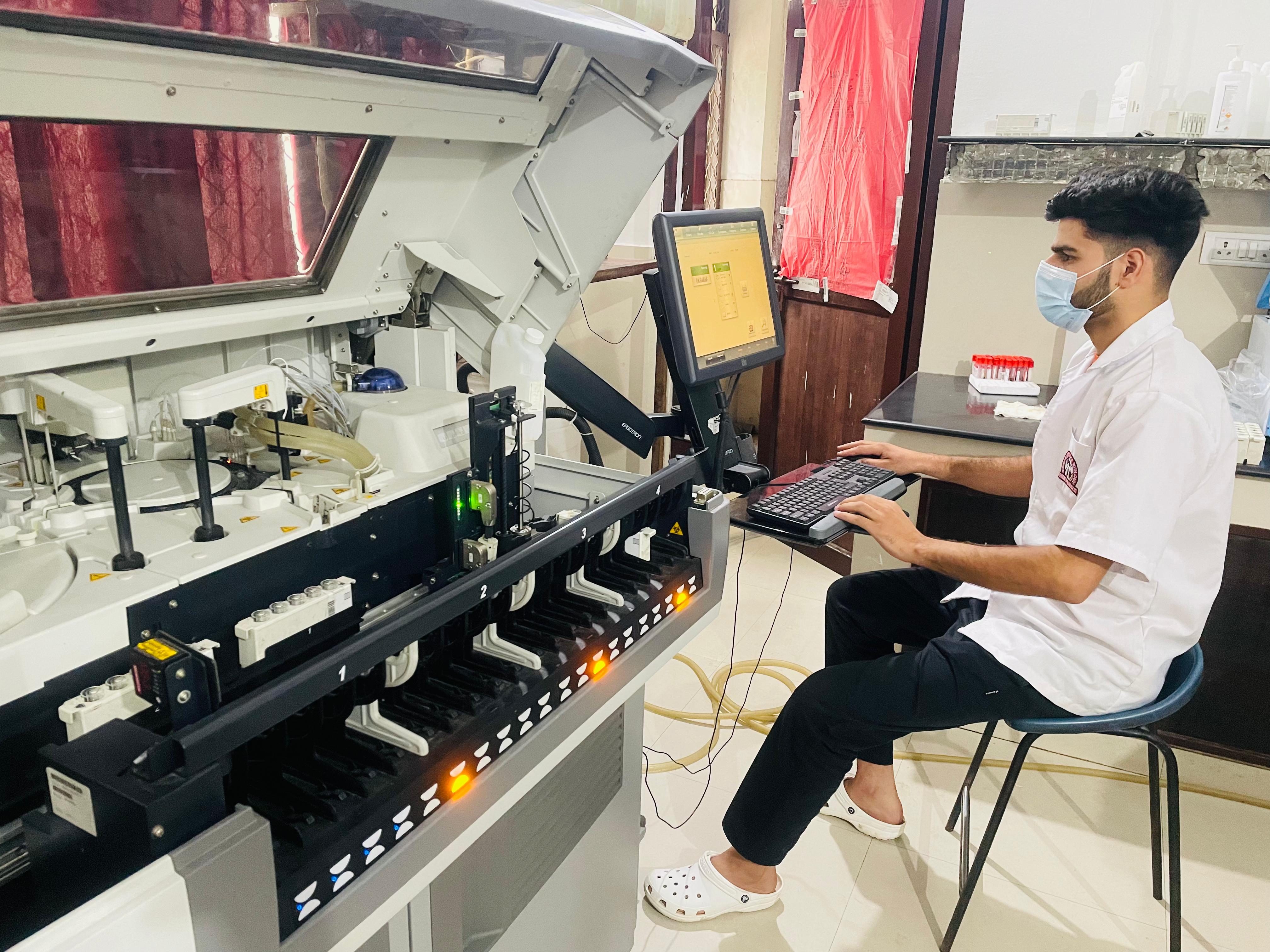
BSc MLT
Bachelor of Science in Medical Laboratory Technology or BSc MLT is an undergraduate course of 3-year, which is divided into six years (two semesters per year). In this course professionals are taught about various aspects of health care. The students perform various diagnostic analysis on body fluids, which include haematology, bacteriology, immunologic, chemical and microscopic during the course. The subjects taught in the program are Clinical Endocrinology & Toxicology Lab, Diagnostic Molecular Biology Lab, Diagnostic Cytology etc.
Course Details
Duration: 3-year
Eligibilty:
The applicant should have passed 10+2 with Physics, Chemistry, and Biology with at least 60% marks from a recognized institute. The minimum age of the applicant should be 17 years. Candidates whose class 12th results are yet not released are also eligible to apply.
Career opportunities
Students after completing the B.sc (MLT) can work as:
- Lab Technician.
- Assistant Lab Technician.
- Lab Consultant.
- Biochemist Technician.
- Blood Bank Technician
- Laboratory Manager
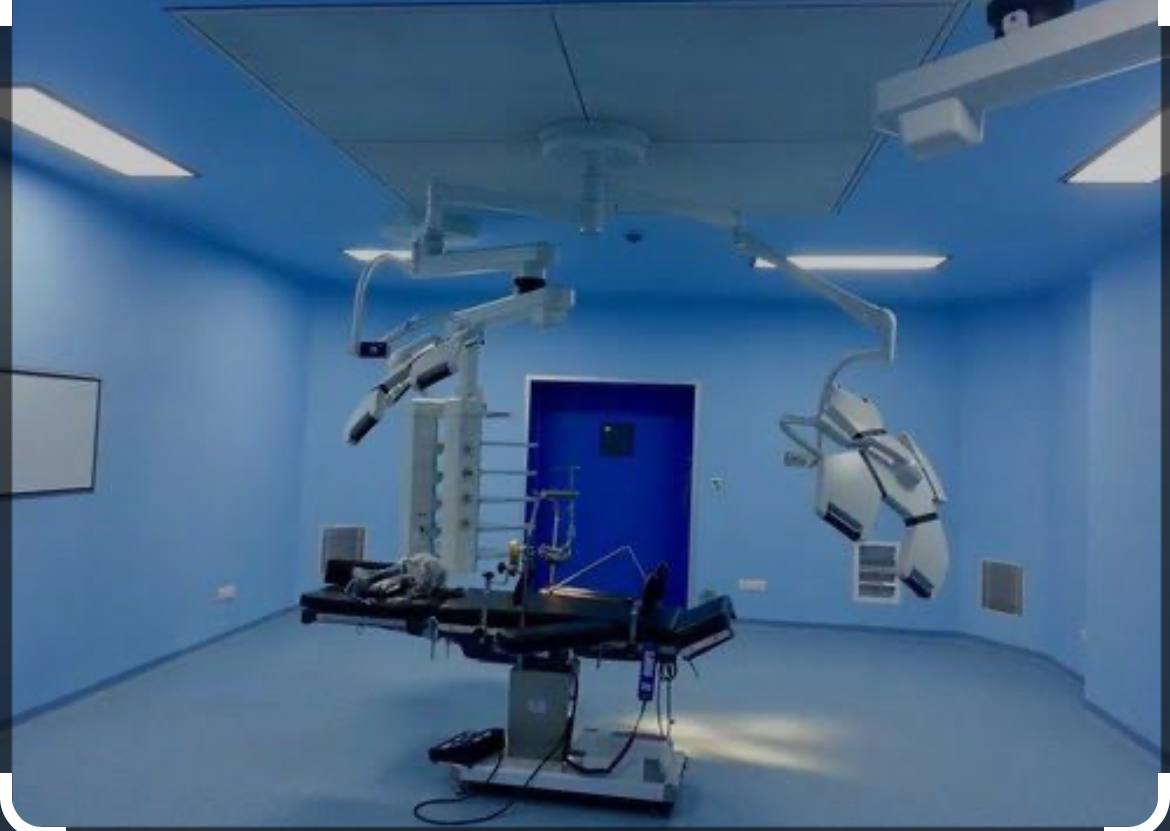
B.Sc. ( OTT)
Bachelor of Operation Theatre Technology is a three year professional degree, where students enrolled in the course undergo three years of academic training and the final year is of Internship. This course prepares the students to manage all the work of operation theatre and hospital.
Course Details
Duration: 3-year
Eligibilty:
The applicant should have passed 10+2 with Physics, Chemistry, and Biology with at least 60% marks from a recognized institute. The minimum age of the applicant should be 17 years. Candidates whose class 12th results are yet not released are also eligible to apply.
Career opportunities
Students after completing the B.sc (OT) can work as:
- operation theatre assistant
- OT Technician.
- cssd techancian
- tutor / clinical trainer
- ot technologist
NOTE : we suggested you to go through our published book ( A CAREER IN ALLIED HEALTH SCIENCES). as it helps you to understand in detail about allied professions
NOTE :
we suggested you to go through our published book ( A CAREER IN ALLIED HEALTH SCIENCES). as it helps you to understand in detail about allied professions
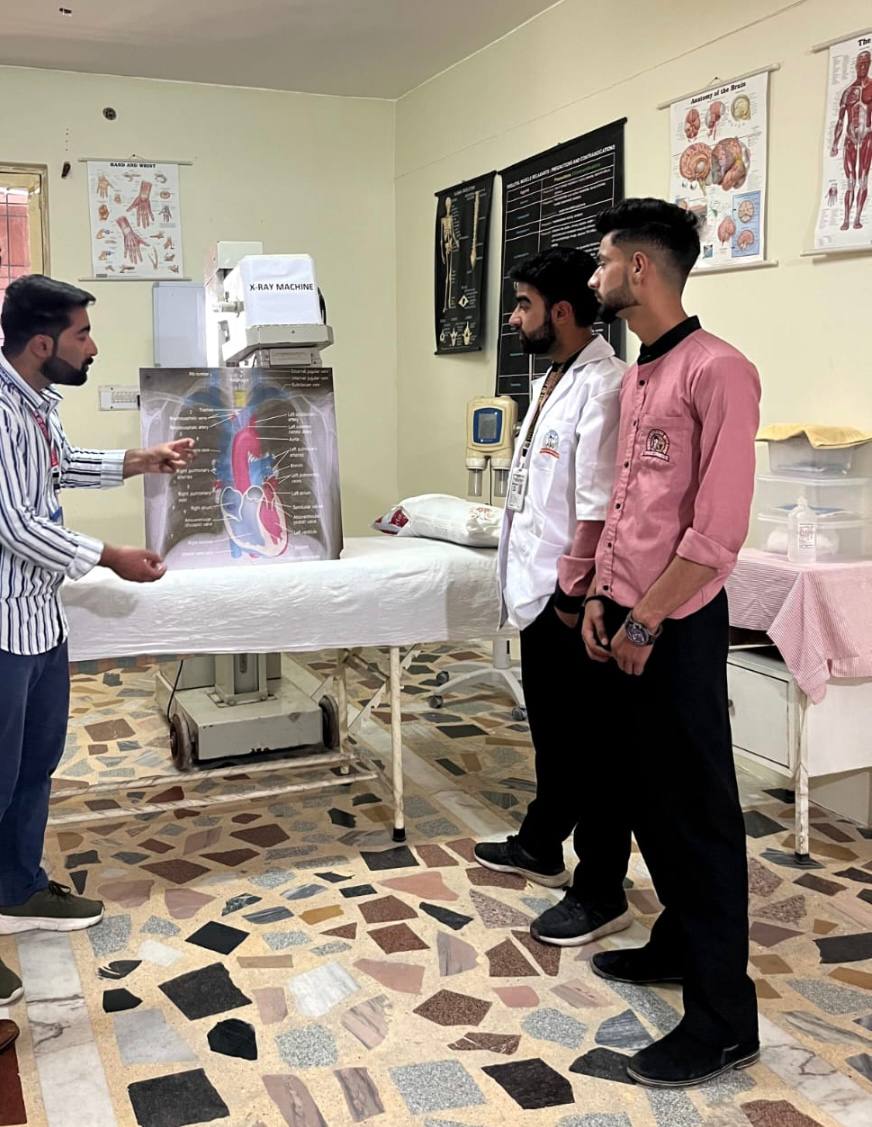
B.Sc. ( Radiography)
B.Sc Radiography is a three-year degree course. Radiography involves scanning, taking pictures of the body to diagnose various diseases. The course programme is designed to teach students the different methods of radiographic imaging and extract useful information about a patient.
Course Details
Duration: 3 years
Eligibilty:
The applicant should have passed 10+2 with Physics, Chemistry, and Biology with at least 60% marks from a recognized institute. The minimum age of the applicant should be 17 years. Candidates whose class 12th results are yet not released are also eligible to apply.
Career opportunities
Students after completing the B.sc (Radiography) can work as:
- X-Ray Technician
- Radiographer
- therapy radiographer
- radiation protection specialist
- Diagnostic Radiographer
NOTE :
we suggested you to go through our published book ( A CAREER IN ALLIED HEALTH SCIENCES). as it helps you to understand in detail about allied professions

B.Sc. ( Cardiac Care Technology)
B.Sc Cardiac Technology is a three to four-year undergraduate degree program is a field of study in allied courses in medicine. Cardiac Technologists help physicians in the treatment and diagnosis of heart disorders. The course involves both theory and practicals.
Course Details
Duration: 3 to 4 years
Eligibilty:
The applicant should have passed 10+2 with Physics, Chemistry, and Biology with at least 60% marks from a recognized institute. The minimum age of the applicant should be 17 years. Candidates whose class 12th results are yet not released are also eligible to apply.
Career opportunities
Students after completing the B.Sc. ( Cardiac Care Technology) can work as:
- Cardiovascular Technologist
- Cardiac Care Technologies
- Nephrologist Technician
- Medical Sonographer
- Dialysis Technician
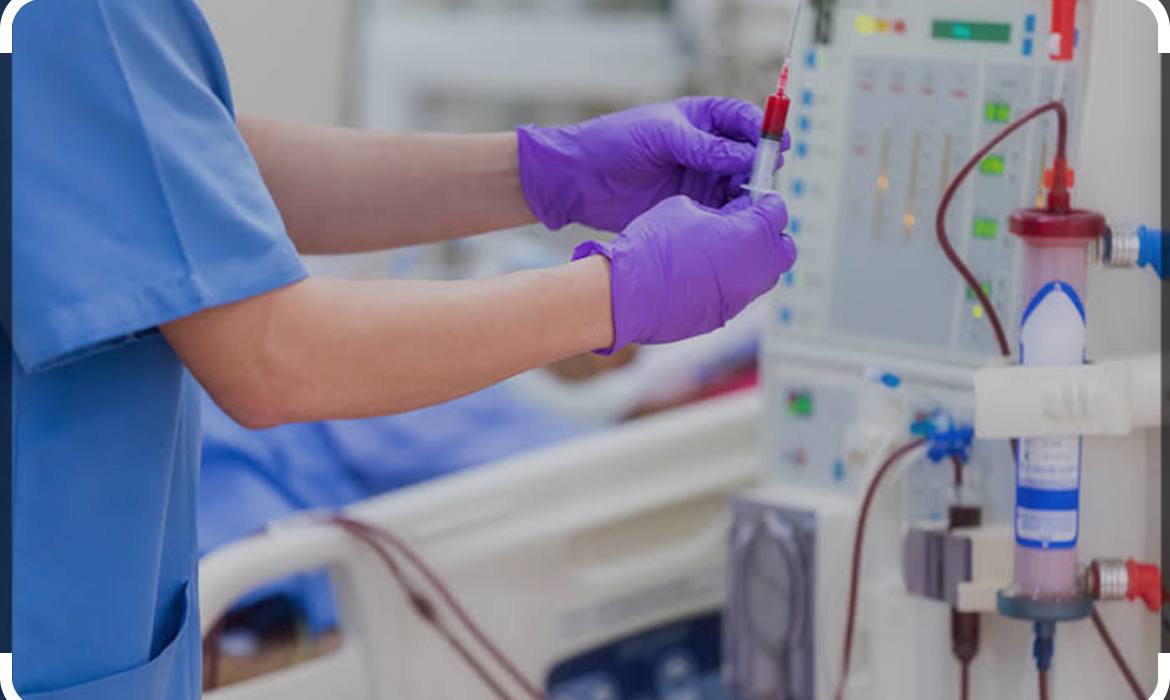
B.Sc. ( Renal Dialysis Technology)
Bachelor of science (Renal Dialysis Technology) or BSc Renal Dialysis Technology is a 3 year undergraduate degree in paramedical sciences. ... The course is designed to mould students to administer haemodialysis treatments for patients with renal failure, under the governance of a nurse or physician.
Course Details
Duration: 3 years
Eligibilty:
The applicant should have passed 10+2 with Physics, Chemistry, and Biology with at least 60% marks from a recognized institute. The minimum age of the applicant should be 17 years. Candidates whose class 12th results are yet not released are also eligible to apply.
Career opportunities
Students after completing the B.sc (Renal Dialysis Technology) can work as:
- Nephrologist Technician
- Dialysis Technician
- Clinical Coordinator
- Medical Lab Technician
- TUTOR
NOTE :
we suggested you to go through our published book ( A CAREER IN ALLIED HEALTH SCIENCES). as it helps you to understand in detail about allied professions

FMPHW ( Female Multipurpose Health Worker)
FMPHW stands for Female Multipurpose Health Worker. This is the first and foremost step in nursing profession. Nursing just does not mean serving an individual patient, it has much role to play, for eg: Health training, teaching, supervision and administration of hospital and promotion of health programmes in community.
Course Details
Duration: 1 ½ years (18 Months)
Eligibilty:
Female candidates who have passed X class (S.S.E)/ N.O.S. are eligible. Candidates studying / discontinued 10 + 2 / Intermediate / equivalent are also eligible.
Career opportunities
Students after completing the FMPHW (Female Multipurpose Health Worker) can work as:
- Primary Health Centers (P.H.Cs)
- Govt. Hospitals
- Multi-specialty and Super-Specialty hospitals
- Old age homes and Clinics

MMPHW (Male Multipurpose Health Worker)
MMPHW stands for Male Multipurpose Health Worker. This is the first and foremost step in male nursing profession. Nursing just does not mean serving an individual patient, it has much role to play, for eg: Health training, teaching, supervision and administration of hospital and promotion of health programmes in community.
Course Details
Duration: 1 ½ years (18 Months)
Eligibilty:
Male candidates who have passed X class (S.S.E)/ N.O.S. are eligible. Candidates studying / discontinued 10 + 2 / Intermediate / equivalent are also eligible .
Career opportunities
Students after completing the MMPHW (Male Multipurpose Health Worker) can work as:
- Primary Health Centers (P.H.Cs)
- Govt. Hospitals
- Multi-specialty and Super-Specialty hospitals
- Old age homes and Clinics
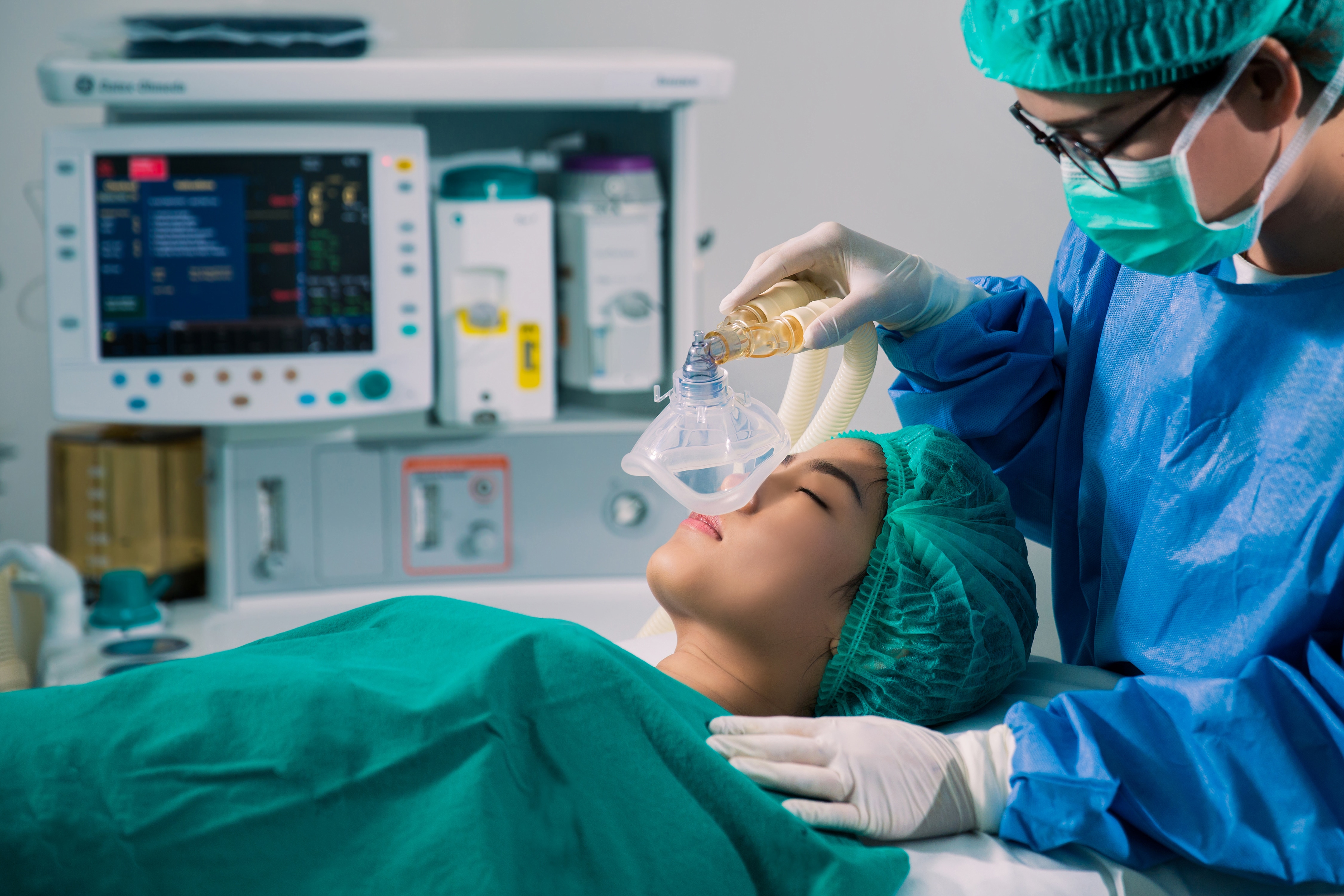
BSc Anaesthesia
BSc anesthesia is a full-time undergraduate course of three years. To be eligible for this course, one needs to have at least 45 per cent in their 12th. The student needs to be well-versed in physics, chemistry and biology.
Most universities take an entrance test for admission to this course. Furthermore, it is an expensive course. And one must look at anesthesia course fees to avoid last-minute hassles in fee payment. One also gets a chance to work at big hospitals, like AIIMS and Apollo after this course. This is the reason why most medical students opt for it.
Eligibilty:
45% of marks in 10+2 (science stream – PCMB)

BSc. Neuroscience
B.Sc Neuroscience is an undergraduate program spanning 3 years, providing extensive knowledge in the study of the human neurological system. It appeals to individuals aspiring for careers in neuroscience-related fields.
Eligibility for B.Sc Neuroscience admission typically requires successful completion of Class 12 with a minimum aggregate score of 45% in the science stream. Some institutions may also require candidates to qualify in entrance exams like AMU CET, SAAT, or state-level entrance exams. Renowned institutions offering B.Sc Neuroscience include Saveetha Amaravati University, Sumandeep Vidyapeeth, and Amity University.
Upon graduation, individuals can pursue various career paths such as Neurobiologists, Physicists, Educational Psychologists, and Medical Doctors in government sectors. In the competitive job market, B.Sc Neuroscience graduates can expect average salaries ranging from INR 3 LPA to INR 15 LPA, depending on factors like experience and employer.
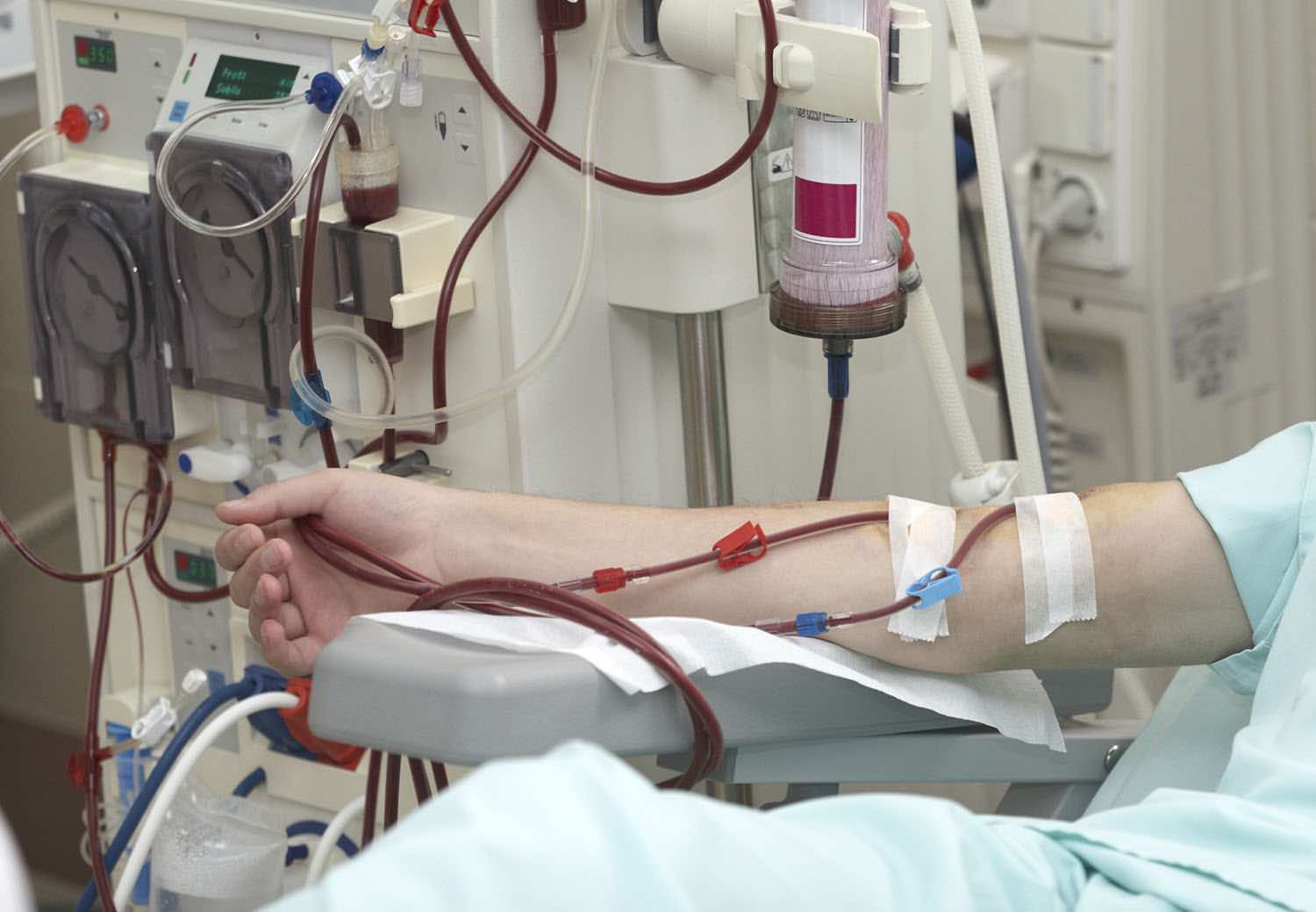
BSC in Renal Dialysis
B.Sc. Renal Dialysis Technology is a specialized undergraduate program designed to train students in the operation and management of dialysis procedures used in the treatment of kidney failure. The course focuses on the functioning of the kidneys, renal diseases, dialysis techniques, patient monitoring, and the use of advanced dialysis equipment.
This program prepares students to assist nephrologists and healthcare professionals in providing life-saving dialysis treatments. Students gain both theoretical knowledge and hands-on clinical training in dialysis units, hospitals, and renal care centers.
Course Duration
3 Years + Internship
The program includes classroom learning, laboratory work, and clinical training in dialysis centers or hospitals.
Eligibility Criteria
Candidates seeking admission to the B.Sc. Renal Dialysis Technology program must:
-
Have completed 10+2 or equivalent from a recognized board.
-
Must have studied Physics, Chemistry, and Biology as main subjects.
-
Have obtained the minimum required marks as per institutional guidelines.
Course Objectives
The main objectives of the program are:
-
To develop skilled professionals in renal dialysis technology.
-
To train students in dialysis machine operation and maintenance.
-
To understand renal physiology and kidney diseases.
-
To ensure safe and effective dialysis procedures.
-
To prepare students for clinical practice in hospitals and dialysis units.
Subjects / Curriculum Highlights
The course includes a combination of medical science subjects and dialysis-specific training.
Core Subjects may include:
-
Human Anatomy and Physiology
-
Biochemistry
-
Pathology and Microbiology
-
Renal Physiology and Kidney Diseases
-
Principles of Dialysis
-
Dialysis Equipment and Technology
-
Pharmacology related to Dialysis
-
Infection Control and Sterilization
-
Patient Care in Dialysis
-
Clinical Dialysis Training
These subjects provide students with knowledge about kidney function, dialysis procedures, and patient management during treatment.
Career Opportunities
Graduates of B.Sc. Renal Dialysis Technology can work in various healthcare settings such as hospitals, dialysis centers, and renal care units.
Job Roles:
-
Dialysis Technician
-
Renal Dialysis Technologist
-
Clinical Research Assistant
-
Dialysis Unit Supervisor
-
Medical Equipment Specialist
-
Home Dialysis Trainer
Employment Areas
After completing the program, graduates can find employment in:
-
Hospitals
-
Dialysis Centers
-
Kidney Care Clinics
-
Multi-Specialty Hospitals
-
Medical Research Laboratories
-
Healthcare Equipment Companies
Scope of the Course
With the increasing number of patients suffering from kidney diseases, the demand for trained dialysis technologists is growing rapidly. Skilled professionals are required in hospitals and specialized renal care units to support nephrologists and provide quality patient care.
Graduates can also pursue higher education in allied health sciences or nephrology-related fields.
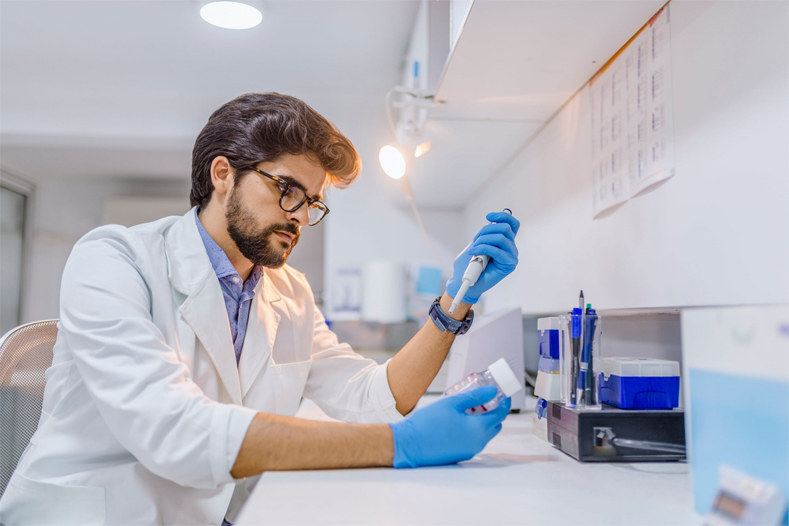
Diploma (Medical Lab Technology)
As integral members of the health care team, medical laboratory technologists are trained to perform a broad spectrum of laboratory testing and procedures, playing a vital role in the diagnosis, treatment and prevention of disease. Based in large part on the national competency profile issued , this program trains students to become skilled in applying the scientific, technical, and medical principles needed to perform and evaluate laboratory testing in a health care setting. Medical laboratory technologists play an integral role in our health care system.
Course Details
Duration: 02 years (24 Months)
Eligibilty:
The applicant should have passed 10+2 with Physics, Chemistry, and Biology with at least 60% marks from a recognized institute. The minimum age of the applicant should be 17 years. Candidates whose class 12th results are yet not released are also eligible to apply.
Career opportunities
Students after completing the diploma (Medical Lab Technology) can work as:
- Primary Health Centers (P.H.Cs)
- Govt. Hospitals
- Multi-specialty and Super-Specialty hospitals
- Old age homes and Clinics